
Which Chamomile Oil Should You Buy First? Roman, German, or a Blend
Standing in front of a shelf of chamomile oils, or scrolling through a dozen nearly identical listings online, it's easy to feel stuck. Roman or German chamomile? A blend of both? A $12 bottle or a $40 one? This guide walks through what actually separates good bottles from mediocre ones, so you can make a confident first purchase instead of a guess.
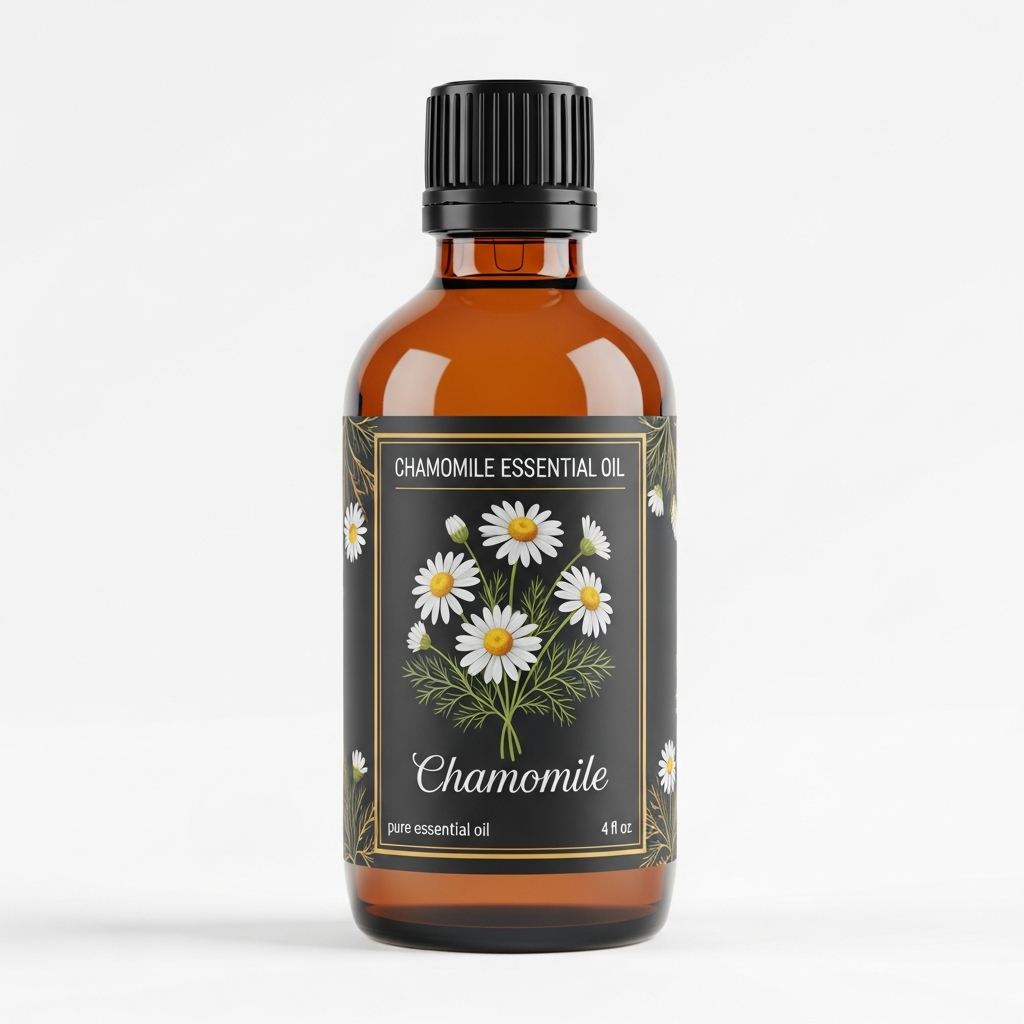
Chamomile Essential Oil
Our own Chamomile Essential Oil, in sizes from 0.5 oz to bulk.
From $22.99
Shop Now →If you're brand new to the category, it helps to know the two plants aren't interchangeable. We cover the botanical differences in detail in our full Roman vs. German chamomile comparison, but the short version for a buying decision is this: Roman chamomile (Chamaemelum nobile) tends to have a soft, apple-like, herbaceous scent and a pale yellow color. German chamomile (Matricaria chamomilla) contains chamazulene, the compound responsible for its distinctive deep blue color, and its aroma is a bit more sweet and hay-like. Neither is objectively "better." The right one depends on the scent profile you want and how you plan to use it in a diffuser blend, a diluted body oil, or a candle base.
What to Look For: Quality Indicators
Before comparing brands, it helps to know what separates a genuinely good bottle from one that just has a pretty label. Here's what actually matters when you're choosing chamomile essential oil.
1. Botanical name on the label
A quality bottle always lists the Latin binomial, either Chamaemelum nobile or Matricaria chamomilla (sometimes labeled Matricaria recutita). If a listing just says "chamomile oil" with no species name, that's a sign the seller may not know, or care, what's actually in the bottle.
2. A batch-specific GC-MS report
Gas chromatography-mass spectrometry (GC-MS) testing breaks down the oil's chemical constituents and confirms it hasn't been diluted with a carrier or cut with a cheaper oil. Look for a report tied to the specific batch or lot number on your bottle, not a generic PDF that could belong to any batch the company has ever sold. This is the single most reliable quality signal available to a shopper, and we go deeper on how to read one in how to buy pure chamomile essential oil.
3. Country of origin and extraction method
Chamomile is grown commercially in places like Egypt, Croatia, Hungary, and the UK, and growing conditions genuinely affect the finished aroma. Reputable sellers name the origin and confirm the extraction method, which for chamomile is almost always steam distillation. Vague sourcing language ("sourced globally," "premium quality oils") is a soft red flag on its own.
4. Packaging that protects the oil
Essential oils degrade with light and air exposure. Amber or cobalt glass bottles with an orifice reducer (the built-in dropper insert) are standard for a reason. Clear glass or plastic bottles suggest the seller hasn't thought much about shelf life.
Key Features to Compare
Once you've confirmed a seller clears the basics above, these are the features worth lining up side by side.
| Feature | Why it matters |
|---|---|
| Species (Roman vs. German) | Determines scent profile and color; affects which blends it pairs well with |
| GC-MS report availability | Confirms purity and batch consistency |
| Bottle size options | Smaller bottles let first-time buyers sample the scent before committing to a larger size |
| Price per milliliter | The only fair way to compare cost across brands selling different bottle sizes |
| Harvest or "best by" date | Chamomile oil has a shelf life; older stock loses aromatic complexity over time |
| Return or satisfaction policy | Scent preference is personal, so a policy that allows an exchange matters more here than with most products |
Price per milliliter is worth calculating by hand rather than trusting sticker price. A 5ml bottle at $18 and a 15ml bottle at $48 look different at a glance, but the second is actually the better value per drop. If you're unsure how much oil you'll go through, our guide on which bottle size to order walks through how to estimate usage before you buy a large bottle you might not finish.
Top Picks at Different Price Points
Rather than naming specific brands, here's how to think about what a reasonable price actually buys you at each tier, since chamomile oil pricing varies by species, origin, and current crop yields.
Budget tier ($8 to $15 for 10ml)
At this price, you're almost always looking at Roman chamomile, since German chamomile's lower yield per plant makes it more expensive to produce at any quality level. A budget bottle can still be a legitimate, single-origin oil. Just confirm the botanical name and ask the seller directly for a GC-MS report if one isn't posted. This tier is a reasonable place to start if you're new to the oil and want to try the scent before spending more.
Mid tier ($15 to $30 for 10 to 15ml)
This is where most well-regarded small-batch sellers sit, for both Roman and entry-level German chamomile. Expect published batch testing, clear origin information, and amber glass packaging as standard, not an upsell. For a first purchase, this tier offers the best balance of confidence and cost.
Premium tier ($30 and up for 5 to 15ml)
German chamomile from a lower-yield harvest, or specialty Roman chamomile from a single small farm, lands here. You're often paying for a documented single-origin story, organic certification, or a particularly good growing year. Worth it if scent quality and traceability matter most to you, but not necessary for a first bottle.
Blends
Pre-made blends combining Roman and German chamomile, or chamomile with complementary oils like lavender or bergamot, typically price in the mid to premium range depending on the other ingredients. A blend can be a good option if you like the idea of chamomile's aroma but aren't sure which single species you prefer yet. Just check that the blend still names both chamomile species and their approximate proportion, rather than burying "chamomile" in a long ingredient list with no percentages.
Red Flags to Avoid
- No botanical name anywhere on the listing or label. This is the fastest way to identify a seller who isn't being precise about what's in the bottle.
- Suspiciously low prices for German chamomile. Because of its lower extraction yield, German chamomile rarely sells for the same price as Roman. A $9 bottle labeled "German chamomile" deserves a closer look at the fine print.
- Marketing language that oversells the oil. Be wary of listings that lean on dramatic promises rather than describing the oil itself, its origin, and its aroma. Honest sourcing language is a better predictor of quality than superlatives.
- No visible manufacture or expiration date. A seller unwilling to date their stock may be moving old inventory.
- Reviews that read like they were written by the seller. A wall of five-star reviews with near-identical phrasing, posted in a short window, is worth a second look before you trust the rating.
- Bottles priced far below the going rate with free shipping thresholds designed to make you buy more. If the per-milliliter price is a fraction of every other listing you've compared, ask why before assuming it's a deal.
A good rule of thumb: if a seller can answer specific questions about origin, extraction date, and testing without hesitation, that's usually a better signal than any claim on the label itself.
Where to Buy
You'll generally find chamomile essential oil through three channels, each with tradeoffs.
Direct from a specialty essential oil retailer
Sellers who focus specifically on essential oils tend to publish more sourcing detail and testing documentation, since it's central to their business rather than a side category. This is usually the most reliable channel for a first purchase, especially if the site makes batch reports easy to find.
Larger marketplaces
Marketplace listings can be perfectly good, but quality varies widely between sellers on the same platform, and it's harder to verify who actually bottled the oil versus who is reselling it. Check the seller's own storefront for sourcing information rather than relying on the marketplace listing alone.
Health food or wellness stores in person
Buying in person lets you smell the oil before committing, which is genuinely useful since chamomile's aroma varies more between batches than many other essential oils. The tradeoff is usually a smaller selection and a higher price for the same size bottle compared to buying direct.
Making the Call
If you're choosing chamomile essential oil for the first time and don't yet know which species you prefer, a small bottle of Roman chamomile in the budget-to-mid tier is a sensible, low-risk starting point. It's the more widely available species, easier to compare across sellers, and gives you a baseline scent to judge everything else against. From there, a bottle of German chamomile lets you compare the two directly, and a blend becomes a much more informed purchase once you know what each species brings on its own.
Whatever you choose, prioritize the seller over the marketing. A company that names its farms, dates its batches, and hands over a GC-MS report without being asked twice is telling you more than any label copy ever will.