
How to Buy Pure Chamomile Essential Oil: Quality Checks Before You Pay
Chamomile essential oil sits in a strange corner of the market. It is beloved, widely sold, and frequently faked. Bottles labeled "chamomile" range from genuinely exquisite single-origin extracts to synthetic fragrance oils that share little with the actual plant beyond color and scent. If you want to buy chamomile essential oil that delivers on its reputation, you need to know what separates a quality bottle from a convincing imitation before your money changes hands.
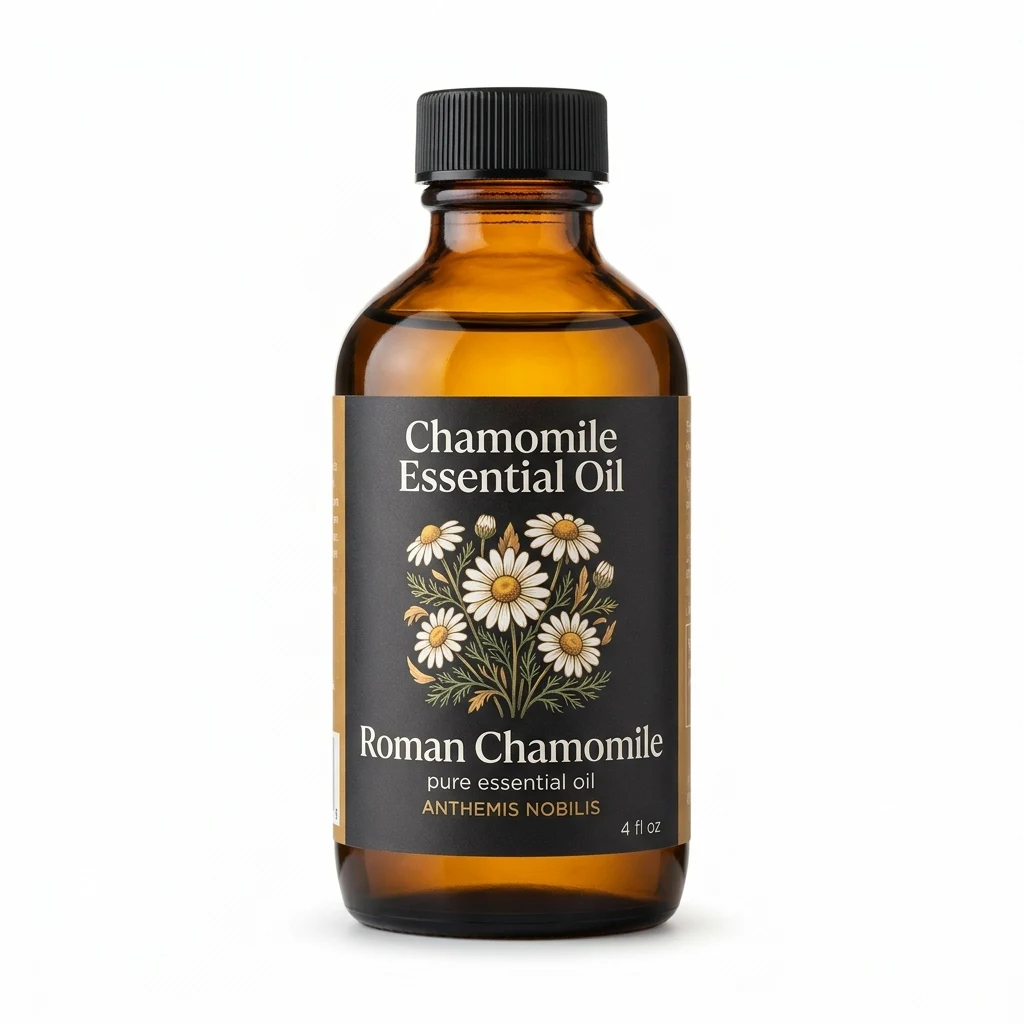
Roman Chamomile Essential Oil
Our own Roman Chamomile Essential Oil, in sizes from 0.5 oz to bulk.
From $32.99
Shop Now →This guide walks through every meaningful quality indicator, the features worth comparing across brands, realistic price expectations, and the sourcing red flags that should make you close the tab. Whether you are stocking a professional diffuser setup or adding one careful bottle to a small collection, the same principles apply.
Roman vs. German: Know Which Oil You Are Buying
Before evaluating chamomile essential oil quality, you need to confirm which variety is in the bottle. These are two distinct oils with different chemistry, color, and aromatic profiles.
- Roman Chamomile (Chamaemelum nobile): Pale yellow to colorless, with a soft, apple-like, almost hay-scented character. Produced mainly in England, France, and Belgium. Generally the pricier of the two.
- German Chamomile (Matricaria chamomilla or Matricaria recutita): Deep blue, sometimes called Blue Chamomile, because of its high chamazulene content. Richer and more herbaceous in scent. Sourced widely from Eastern Europe and Egypt.
A bottle simply labeled "chamomile essential oil" without a Latin name is a warning sign. Reputable suppliers always specify the botanical species. If that information is missing from the label and the product page, move on.
For a deeper look at both varieties and their aromatic profiles, see our complete guide to chamomile essential oil.
Quality Indicators: What a Good Bottle Looks Like
1. Latin Name and Chemotype on the Label
This is non-negotiable. Every legitimate essential oil label should carry the full Latin botanical name. For Roman Chamomile, that is Chamaemelum nobile. For German Chamomile, it is Matricaria chamomilla. Some suppliers also list the plant part used (flowers, flowering tops) and the extraction method (steam distillation). These details signal a company that understands and respects botanical sourcing standards.
2. GC/MS Testing and Batch Reports
Gas chromatography/mass spectrometry (GC/MS) testing is the gold standard for verifying an oil's chemical composition and confirming it has not been adulterated. Reputable brands either publish batch-specific GC/MS reports on their websites or make them available on request. If a company cannot produce this documentation, you have no way to confirm what is actually in the bottle. This single factor separates the serious suppliers from the marketers.
3. Country and Region of Origin
Terroir matters in essential oils just as it does in wine. Roman Chamomile from English fields has a distinct aromatic signature compared to French-grown material. German Chamomile from Egypt versus Hungary can vary noticeably in chamazulene content. Quality brands disclose origin because it is a selling point, not an afterthought. Generic labels that say only "sourced worldwide" offer no useful information.
4. Amber or Dark Glass Packaging
Essential oils degrade when exposed to UV light. Any supplier shipping chamomile oil in clear glass or, worse, clear plastic is either uninformed or indifferent to product integrity. Dark amber or cobalt blue glass is standard for quality oils. Some premium brands use additional foil seals or nitrogen flushing to extend shelf life further.
5. Color Consistency
German Chamomile should be distinctly blue, ranging from a rich teal to deep navy depending on chamazulene levels. If a bottle labeled as German Chamomile is pale yellow or colorless, the oil may be old, diluted, or misrepresented. Roman Chamomile ranges from water-clear to very pale gold. Bright, unnatural colors in either variety are a sign of adulteration or synthetic addition.
6. Scent Profile on Arrival
Roman Chamomile should smell sweet, floral, and faintly fruity, with soft, warm undertones. German Chamomile is more complex: herbaceous, slightly medicinal in character, and earthy. If the scent is flat, aggressively sweet, or reminds you of a commercial product rather than a plant, it may be synthetic fragrance or heavily diluted oil. Trust your nose, especially after you have smelled a certified-pure sample for comparison.
Key Features to Compare Across Brands
| Feature | What to Look For | Red Flag |
|---|---|---|
| Latin name on label | Full species name printed clearly | "Chamomile oil" only, no species |
| GC/MS report | Batch-specific, publicly available | No testing info, or generic certificate |
| Origin disclosure | Country, region, or farm named | "Sourced globally" with no specifics |
| Packaging | Dark amber or cobalt glass | Clear glass, plastic, no dropper |
| Certification | Organic (USDA or equivalent), ISO, or ECOCERT | "Natural" or "pure" with no certification body |
| Price per ml | Reflects rarity of the oil (see below) | Suspiciously cheap; cheaper than lavender |
| Dilution disclosure | Undiluted, 100% pure, or clearly labeled as diluted | No dilution info on label or product page |
Understanding Price Points: What You Should Expect to Pay
Chamomile is among the more expensive essential oils on the market. Both varieties require large quantities of flowers to produce small amounts of oil. Roman Chamomile, in particular, is labor-intensive to harvest and commands a premium accordingly.
Budget Range (Under $15 for 5ml)
At this price point, examine labels very carefully. Some reliable suppliers do offer entry-level chamomile at accessible prices by sourcing efficiently and keeping overhead low. However, this is also the range where diluted, adulterated, or synthetic products are most common. Look specifically for GC/MS reports and Latin name disclosure even here. If those are absent, the low price likely reflects what is actually in the bottle.
Mid-Range ($15 to $40 for 5ml)
This is where the most dependable everyday options tend to live. Established suppliers like Plant Therapy, Rocky Mountain Oils, and Eden Botanicals offer verified, tested chamomile oils in this range. You get transparency, batch reports, and consistent quality. Roman Chamomile at this price will typically be a genuine, undiluted oil from reputable sourcing regions.
Premium Range ($40 to $80+ for 5ml)
Single-origin, small-batch, or certified biodynamic chamomile oils occupy this tier. Brands like Florihana, Oshadhi, and Enfleurage source with exceptional specificity, and the aromatic complexity often reflects that. If you use chamomile heavily in perfumery, high-end blending, or skin care formulation, the investment in premium oil is usually noticeable in the finished product.
For a full breakdown of whether certified organic options justify their higher cost, see our piece on organic Roman Chamomile essential oil.
Red Flags: When to Walk Away
The essential oil market is under-regulated, which means consumer vigilance does the work that formal oversight often does not. These are the specific warning signs that should stop you from purchasing.
All Oils Priced the Same
A supplier that sells Rose Otto, Chamomile, and Lavender at identical price points is not selling genuine single-variety oils. These plants have wildly different yields and production costs. Uniform pricing is a near-certain indicator of synthetic fragrance blends or heavily diluted bases.
No Botanical Latin Name
Already mentioned above, but worth repeating as a standalone red flag. Absence of the species name means you cannot know what you are buying.
"Fragrance Oil" or "Perfume Oil" Language
These terms signal synthetic compositions, not distilled plant material. Sometimes the labeling is subtle: "chamomile scented oil" or "chamomile blend" can indicate a fragrance product. Read carefully.
Plastic Packaging
Essential oils can leach compounds from plastic over time, compromising both the oil and the container. Any chamomile oil shipped or stored in plastic should be viewed with suspicion.
Extraordinary Health Claims on the Label
Reputable essential oil companies comply with regulatory guidance. If a label makes bold, specific claims about what the oil will do for your body or mind, the brand is either poorly informed or deliberately misleading. Quality products focus on scent, sourcing, and purity. They do not need medical-sounding language to sell a genuinely good oil.
No Return or Satisfaction Policy
Established suppliers stand behind their products. A company that offers no recourse if the oil does not meet your expectations has little incentive to ensure quality in the first place.
Certification Labels: What They Mean and What They Do Not
Certification adds a layer of third-party verification, but it is worth understanding what each label actually confirms.
- USDA Organic: Confirms the source plant was grown without synthetic pesticides or fertilizers. Does not directly certify purity of the extracted oil, but it does mean the agricultural inputs meet a defined standard.
- ECOCERT / Cosmos Organic: European organic standards, rigorous and widely respected. Similar scope to USDA Organic but with slightly different parameters.
- ISO 4390 (Chamomile-specific): An international standard that defines acceptable chemical composition ranges for Roman Chamomile oil. A supplier referencing ISO compliance is using recognized quality benchmarks.
- "Therapeutic Grade" or proprietary certifications: These are trademarked marketing terms created by individual companies with no independent verification body behind them. They say nothing meaningful about quality. Consider these as marketing language only.
Where to Buy Chamomile Essential Oil
Specialist Online Retailers
This is the strongest category for quality and transparency. Suppliers like Plant Therapy, Eden Botanicals, Florihana, Rocky Mountain Oils, and Stillpoint Aromatics specialize in essential oils, publish their testing, and employ staff with genuine botanical knowledge. You can compare batch reports, read sourcing notes, and often contact a knowledgeable customer service team directly.
Direct from Distillers
Some small-scale distillers sell directly, particularly at farmers' markets or through their own websites. This can offer exceptional freshness and traceability. Ask about distillation date, storage conditions, and whether GC/MS testing has been performed. Not all small distillers test, but many are happy to discuss their process in detail.
Health Food Stores and Co-ops
Brands like Aura Cacia and NOW Foods are widely stocked in physical retail and offer reasonable quality at accessible prices. Look for the same indicators: Latin name, origin, and GC/MS availability. These brands publish testing information on their websites even when shelf space does not allow for it on the label.
General Marketplace Platforms (Proceed with Caution)
Large general marketplaces host a wide mix of quality. The same platform might carry excellent oils from reputable suppliers and counterfeits from unknown sellers. Stick to established brand storefronts rather than third-party resellers. Check if the product page links to actual GC/MS documentation before purchasing.
For a detailed comparison of online sourcing options, practical ordering tips, and what to expect from different platforms, read our guide on where to buy chamomile essential oil online.
Dilution and Packaging Notes for Buyers
One important distinction: some chamomile oils sold at lower prices are pre-diluted in a carrier oil such as jojoba or fractionated coconut oil. This is not inherently a problem. A 2% or 3% dilution in jojoba can be perfectly useful for direct skin application. The issue arises when dilution is not disclosed, because you cannot accurately compare value or blend with an oil whose concentration is unknown.
Always check the label for "100% pure" or a declared dilution percentage. If neither appears, ask the supplier directly before purchasing. A good supplier will answer clearly.
A quick note on shelf life: Chamomile essential oil, properly stored in cool, dark conditions, typically remains at its best for two to three years from distillation. Always check the batch date or distillation date when available. Oils without any date information have less verifiable freshness.
A Short Pre-Purchase Checklist
Before you confirm any purchase of pure chamomile oil, run through these points:
- Does the label carry the full Latin botanical name?
- Is GC/MS testing available for this specific batch?
- Is the country or region of origin disclosed?
- Is the oil packaged in dark glass?
- Is the price consistent with what genuine chamomile costs to produce?
- Does the supplier have a clear returns or satisfaction policy?
- Is the label free of unsubstantiated claims?
Seven straightforward questions. If most of them come back with clear, positive answers, you are likely looking at a product worth your confidence. If several are missing or vague, keep looking.
Final Thoughts on Finding Quality
The chamomile essential oil market rewards buyers who slow down. A few minutes spent checking a supplier's documentation, reading the label carefully, and comparing prices against realistic production costs will consistently lead you to better purchases. The difference between a well-sourced bottle and a synthetic substitute is apparent the moment you open it, and the investment in genuine quality pays off in every use after that.
Start with suppliers who publish their testing, name their sources, and price their oils honestly. Build a short list of brands you trust. Your collection, and your blending results, will reflect those choices over time.