Is Chamomile Essential Oil Safe for Cats? What Owners Should Know
Chamomile essential oil has a devoted following among those who enjoy its soft, apple-like scent and its long history in botanical self-care rituals. But if you share your home with a cat, a very reasonable question comes up quickly: is chamomile essential oil safe for cats? The short answer is that cats and essential oils require a careful, well-informed approach. This FAQ page gathers the most common questions from cat owners and answers them honestly, drawing on what veterinary science and toxicology currently understand about feline physiology and aromatic compounds.
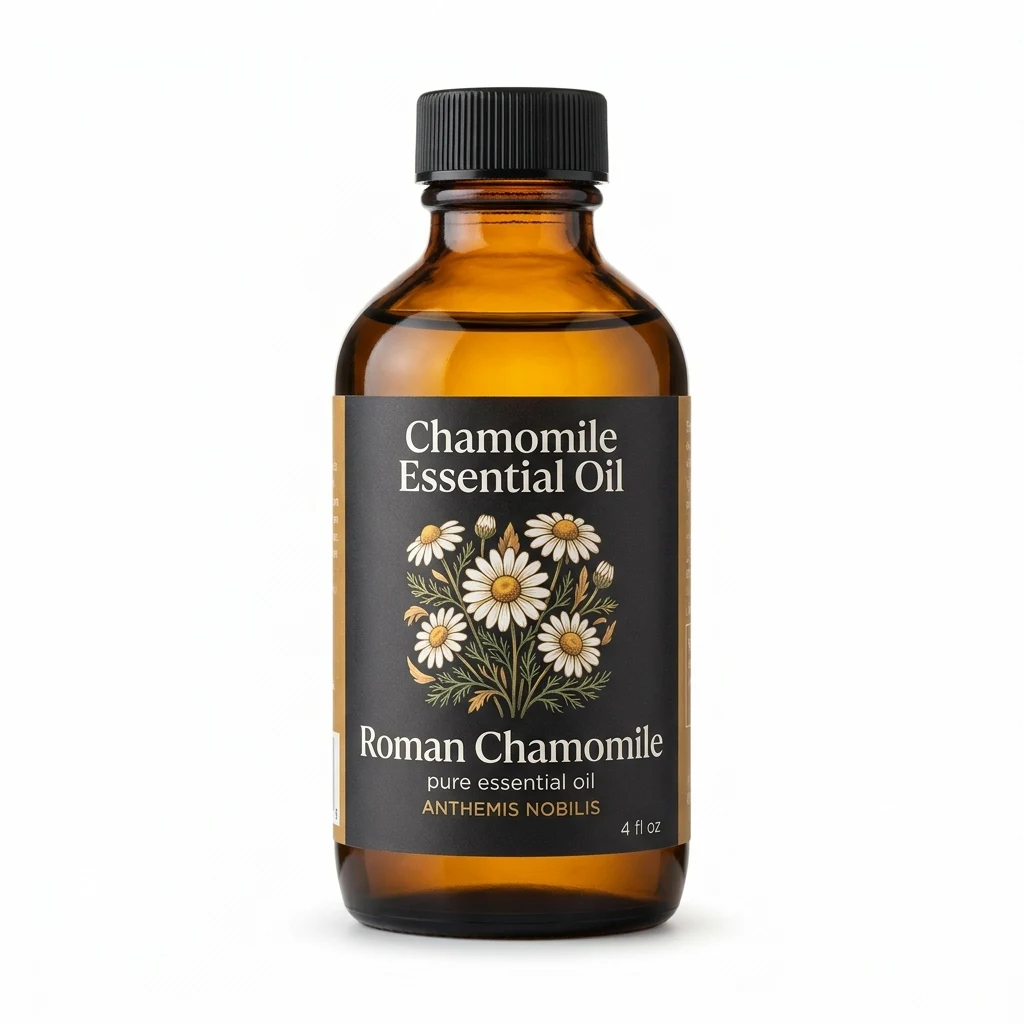
Roman Chamomile Essential Oil
Our own Roman Chamomile Essential Oil, in sizes from 0.5 oz to bulk.
From $32.99
Shop Now →Understanding Why Cats React Differently to Essential Oils
Why are cats more sensitive to essential oils than humans or dogs?
Cats lack a specific liver enzyme called glucuronyl transferase, which most mammals use to metabolize and eliminate many plant-derived compounds. Without this pathway, certain aromatic constituents can accumulate in a cat's system over time. This makes feline sensitivity to concentrated botanical extracts significantly higher than what humans or even dogs typically experience.
What makes essential oils potentially problematic for cats specifically?
Essential oils are highly concentrated. A single drop contains the aromatic compounds extracted from a large quantity of plant material. Cats also groom themselves constantly, which means any oil that lands on their fur or skin is likely to be ingested. These two factors together create a greater level of concern for cats than for many other household pets.
Do all cats respond the same way to essential oils?
No. Age, body weight, health status, and individual sensitivity all play a role. Kittens, senior cats, and cats with known organ sensitivities are generally considered more vulnerable. A healthy adult cat may show no visible reaction while still being affected in ways that are not immediately obvious.
Is chamomile essential oil different from chamomile tea or dried chamomile flowers?
Yes, significantly. Chamomile tea is a very dilute water infusion. Dried flowers are a whole-plant botanical. Chamomile essential oil is a concentrated steam-distilled or solvent-extracted aromatic product, with a much higher density of aromatic compounds per volume. What applies to one form does not automatically apply to the others. You can read more about the oil itself in our complete guide to chamomile essential oil.
Is Chamomile Essential Oil Safe for Cats: Direct Exposure Questions
Is chamomile essential oil safe for cats if applied directly to their skin or fur?
Direct topical application of any undiluted essential oil to a cat is not recommended by most veterinarians. Even diluted applications carry risk, because cats will groom the area and ingest whatever is on their coat. Unless a licensed veterinarian has specifically directed you to use a particular product on your cat, it is best to avoid applying essential oils to them directly.
Can chamomile essential oil be toxic to cats?
The ASPCA lists chamomile (the plant, including its extracts) as potentially toxic to cats, citing compounds such as bisabolol, chamazulene, and related constituents. Signs that something may be wrong can include drooling, vomiting, reduced appetite, or unusual lethargy. If you suspect your cat has been exposed to any essential oil and is showing unusual behavior, contact your veterinarian or an animal poison control hotline promptly.
What if my cat simply walked through a surface where I had spilled chamomile oil?
This is a real concern because cats absorb compounds both through skin contact and through grooming. If a spill occurs, clean the surface thoroughly with a pet-safe cleaner before allowing your cat back into the area. Monitor your cat for any changes in behavior and reach out to your vet if anything seems off.
My cat sniffed the bottle briefly. Should I be worried?
A brief, passing sniff of a closed or recapped bottle is generally considered low risk. The concern increases with prolonged, close-range exposure to open bottles or heavily saturated surfaces. That said, any visible distress, pawing at the face, or excessive salivation after any contact with an essential oil warrants a call to your vet.
Diffusers, Sprays, and Airborne Exposure
Is chamomile oil safe for cats when used in a diffuser?
This depends on the type of diffuser, the duration of use, and whether the cat can leave the room. Ultrasonic diffusers disperse microscopic droplets into the air, and those droplets can settle on a cat's fur and be groomed off later. Passive diffusers (such as reed diffusers or open dishes) produce lower airborne concentrations but still represent a source of exposure in enclosed spaces.
Can I use a diffuser in a room my cat never enters?
Using a diffuser in a dedicated, well-ventilated room that your cat cannot access is a much safer approach than diffusing in shared spaces. Ensure the room has airflow to prevent buildup of aromatic compounds, and consider limiting diffusion sessions to shorter periods. This is the precaution most commonly recommended by integrative veterinarians when owners want to continue using essential oils in a pet-sharing household.
How long after diffusing is a room safe for my cat to re-enter?
There is no universally agreed-upon waiting period, partly because it depends on the oil concentration used, the room size, and the ventilation. A reasonable general practice is to air the room out thoroughly with windows open before allowing your cat back in. When in doubt, err on the side of a longer wait.
What about chamomile-scented candles or room sprays? Are those safer?
Candles and sprays labeled as chamomile-scented often use synthetic fragrance rather than actual chamomile essential oil. Synthetic fragrance compounds present their own set of unknowns for feline health. Natural botanical sprays that do contain essential oils carry similar concerns to diffusers. Neither category has been studied extensively for long-term feline safety, so caution is still warranted.
Roman vs. German Chamomile: Does the Type Matter?
Are Roman chamomile and German chamomile equally concerning for cats?
Both types of chamomile essential oil share the general concern about feline liver metabolism. German chamomile (Matricaria chamomilla) contains higher levels of chamazulene and bisabolol. Roman chamomile (Anthemis nobilis) has a different chemical profile, with higher ester content. Neither has been established as clearly safe for cats, and the ASPCA's guidance covers chamomile broadly rather than distinguishing between species.
Could one type ever be safer than the other for my cat?
Current veterinary guidance does not single out one chamomile species as safe for cats. Individual chemical constituents vary between crops, growing regions, and distillation methods, adding further complexity. Making a decision based on the species name alone, without veterinary input, would not be a reliable safety strategy.
Signs of Concern and What to Do
What signs should I watch for if I think my cat was exposed to chamomile essential oil?
Watch for drooling or excessive salivation, vomiting, pawing at the mouth or eyes, wobbling or coordination difficulties, lethargy or hiding, and changes in breathing. These signs can appear quickly or may develop over several hours depending on the level of exposure. Keep the product packaging available to share with your vet.
Who should I call if I suspect my cat ingested or absorbed chamomile essential oil?
Contact your veterinarian immediately. If your regular vet is unavailable, the ASPCA Animal Poison Control Center operates a 24-hour hotline (a consultation fee may apply). The Pet Poison Helpline is another option. Act quickly rather than waiting to see if symptoms worsen.
Should I try to make my cat vomit if I think they ingested essential oil?
Do not attempt to induce vomiting at home without direct instruction from a veterinarian or poison control professional. For some exposures, inducing vomiting can cause additional harm. A trained professional can guide you on the right steps based on what your cat was exposed to and how much.
Safer Alternatives and Practical Tips for Cat Owners
Can I still enjoy chamomile essential oil if I own a cat?
Many cat owners continue to use essential oils thoughtfully by keeping oils stored securely out of reach, limiting diffusion to well-ventilated rooms the cat does not access, and keeping sessions brief. The key is creating physical separation between your aromatic rituals and your cat's living spaces. It requires a bit of planning, but it is manageable for most households.
Are there cat-safe botanical alternatives for creating a calm home atmosphere?
Some pet owners use simple, low-tech methods such as beeswax candles with no added fragrance, dried lavender sachets kept well out of a cat's reach, or plain water in a diffuser with no oil added. For specific guidance on what botanicals are better tolerated, a conversation with a veterinarian who has experience in integrative pet care is the most reliable path. You might also find ideas in our article on 20 everyday ideas for using chamomile oil in home and self-care routines, keeping in mind the pet-safety layer on top of those suggestions.
Do cat owners need to worry about chamomile hydrosol the same way they worry about the essential oil?
Chamomile hydrosol (the water-based byproduct of distillation) contains far lower concentrations of aromatic compounds than the essential oil. Some integrative veterinarians have discussed hydrosols in the context of pet care, but this is an area where professional guidance is essential before any use around or on cats. Never substitute your own research for a conversation with your vet.
Where can I learn more about essential oil safety for other pets?
If you also share your home with a dog, our guide on whether chamomile oil is safe for dogs covers the specific considerations for canine companions, which differ in meaningful ways from feline concerns.
A Note on Veterinary Guidance
Every cat is different, and published general guidance can only go so far. The most reliable source of advice for your specific cat is a veterinarian who knows their medical history and current condition. If you are passionate about incorporating botanical products into your home environment, consider scheduling a conversation with your vet before you begin, rather than after a concern arises. Being proactive is far less stressful for everyone involved, your cat included.
For a broader look at chamomile essential oil outside the pet context, including sourcing tips and quality benchmarks, visit our complete guide to chamomile essential oil.