
Chamomile Oil Uses: 20 Everyday Ideas for Home and Self-Care
Chamomile essential oil has a quiet kind of charm. It doesn't announce itself with a sharp, polarizing scent the way some oils do. Instead, it settles into a space gently, with that warm, apple-tinged, slightly herbaceous aroma that feels immediately familiar. If you've been curious about what chamomile essential oil is good for beyond a basic diffuser blend, this list is for you.
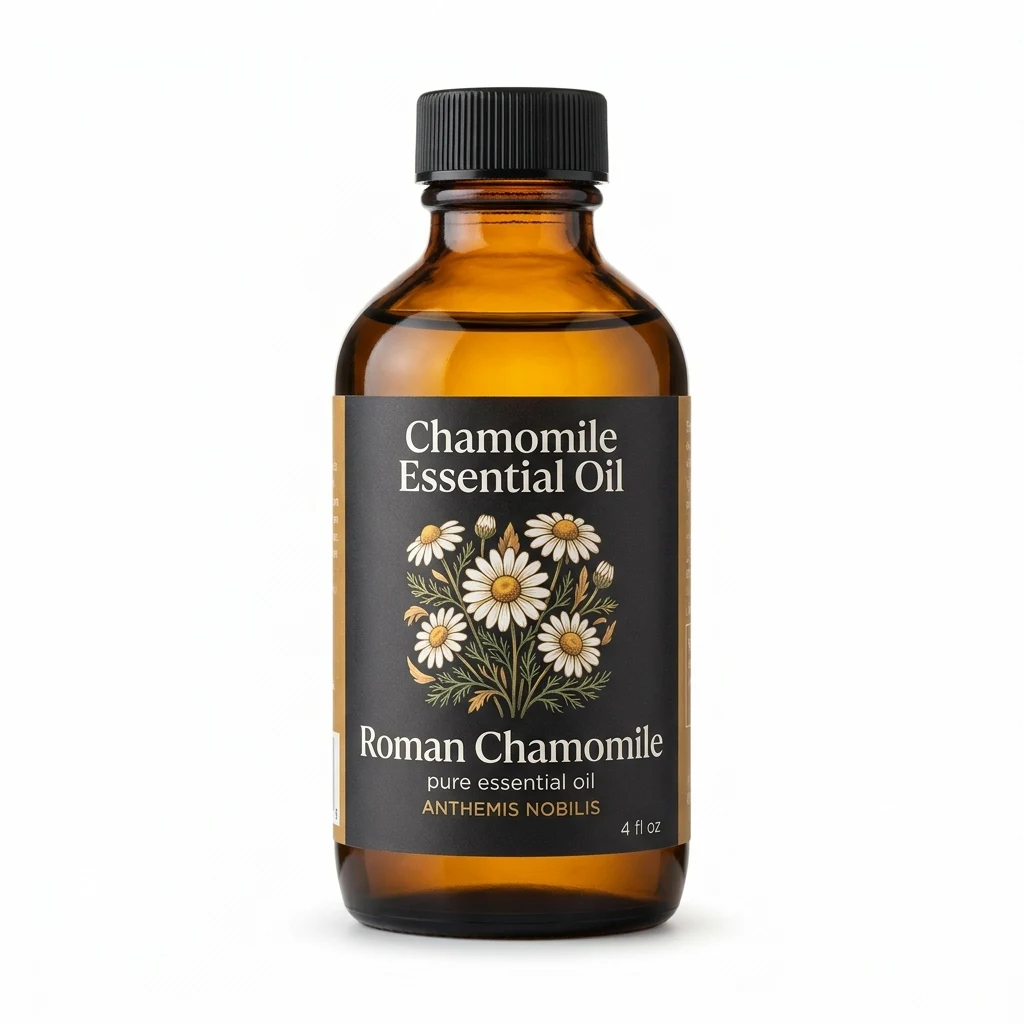
Roman Chamomile Essential Oil
Our own Roman Chamomile Essential Oil, in sizes from 0.5 oz to bulk.
From $32.99
Shop Now →We've gathered 20 genuinely practical ideas spanning home atmosphere, self-care rituals, hair and skin routines, and creative blending. Each one is grounded in how this oil actually performs in everyday use. For a deeper look at how the oil is made and what sets quality versions apart, visit our complete guide to chamomile essential oil.
Home Atmosphere
1. Diffuse It as a Bedtime Wind-Down Anchor
One of the most popular chamomile essential oil benefits is its role in a consistent evening ritual. Running a diffuser with 4 to 6 drops of Roman chamomile about 30 minutes before bed can help signal a shift in atmosphere, from the busyness of the day toward something quieter. The scent acts as a sensory cue, especially when used at the same time each night.
The aroma is soft enough that it doesn't overpower a bedroom. If you share a space with someone who is sensitive to strong scents, chamomile is often a much easier negotiation than, say, eucalyptus or peppermint. Some people report that even a single drop on a pillowcase creates the right mood for winding down.
Practical takeaway: Use 4 to 6 drops in a diffuser 30 minutes before bed. Explore more ideas in our guide to chamomile oil in your evening wind-down routine.
2. Create a Calming Living Room Blend
Chamomile pairs beautifully with lavender, sandalwood, and bergamot for a living room diffuser blend that feels warm and grounded without being sleepy. Try 3 drops chamomile, 2 drops bergamot, and 2 drops cedarwood for an evening atmosphere that encourages people to actually sit down and relax rather than scroll.
The benefits of chamomile oil in a blended diffuser context are largely aromatic. It rounds off sharper notes and adds a subtle sweetness that keeps a blend from feeling clinical or medicinal. It's a background note that you notice more when it's absent.
Practical takeaway: Blend chamomile with bergamot and cedarwood for a balanced evening atmosphere in shared living spaces.
3. Freshen Fabric with a Linen Spray
A simple chamomile linen spray is easy to make and genuinely useful. Combine 15 drops of Roman chamomile essential oil with 2 tablespoons of witch hazel in a 4-ounce glass spray bottle, then fill with distilled water. Shake before each use and mist over pillowcases, curtains, or upholstered furniture.
The scent doesn't linger aggressively. It gives fabric a clean, subtly floral freshness that dissipates within an hour or so. This makes it ideal for guest rooms where you want a welcoming atmosphere without a heavy fragrance commitment.
Practical takeaway: Always patch-test fabric before misting to check for any discoloration, especially on delicate or light-colored textiles.
4. Use It in Homemade Candle Blends
If you make soy or beeswax candles at home, chamomile essential oil is a gentle addition to consider. It blends well with vanilla, clary sage, and ylang-ylang for a soft floral-warm combination. Because the scent is delicate, you'll typically need a higher fragrance load than you might with stronger oils like cinnamon or eucalyptus.
Keep in mind that essential oils in candles can behave differently from fragrance oils. A general starting point is about 1 ounce of essential oil per pound of wax, but testing is always required. Chamomile's lighter aromatic profile means it performs best in smaller rooms or as a subtle background note in a complex blend.
Practical takeaway: Pair chamomile with vanilla and clary sage for candle making. Test small batches first to find your preferred scent strength.
5. Scent Drawer Liners and Sachets
A few drops of chamomile essential oil on unbleached cotton sachets or natural-fiber drawer liners can give your linen closet or clothing drawers a calm, pleasant scent. This is a nice low-effort way to bring chamomile essential oil benefits into your daily environment without actively doing anything.
Refresh the sachets every few weeks by adding 2 to 3 drops of oil. Keep sachets away from direct contact with delicate fabrics, since undiluted essential oils can leave oily marks. Tucking them into a small muslin pouch solves this problem neatly.
Practical takeaway: Place oil-infused sachets in a small muslin pouch before setting them in drawers to avoid direct fabric contact.
Skin and Body Self-Care
6. Add It to a Facial Serum
Roman chamomile is one of the more skin-compatible essential oils and appears frequently in cosmetic formulations aimed at sensitive or easily irritated complexions. When added to a facial serum, it contributes a light botanical scent and is traditionally associated with a soothing quality in topical cosmetic products.
A safe dilution for facial use is 0.5% to 1%: roughly 3 to 6 drops per ounce of carrier oil. Suitable carrier oils include rosehip, jojoba, and squalane. Always perform a patch test on the inner forearm 24 hours before applying any new blend to your face.
Practical takeaway: Dilute at 0.5% to 1% in a facial carrier oil. Patch-test first. Avoid use around the eye area.
7. Enrich a Body Lotion
Stirring a few drops of chamomile essential oil into an unscented body lotion is a quick way to personalize a product you already use. The oil adds a delicate scent and blends well into creamy textures without altering the lotion's consistency.
For body use, a 2% dilution is the standard starting point: about 12 drops per ounce of lotion. If you have particularly reactive skin, start at 1% and see how your skin responds over a week of use before increasing. This is one of the most approachable chamomile oil benefits for daily self-care because it requires no special equipment or skill.
Practical takeaway: Add 12 drops per ounce of unscented lotion for a 2% dilution. Shake or stir well to incorporate before each use.
8. Make a Simple Bath Soak
A chamomile bath is a genuine small indulgence. Because essential oils don't dissolve in water on their own, always disperse them first in a carrier like whole milk, Epsom salts, or a tablespoon of liquid castile soap before adding to the bath. Use 5 to 8 drops of chamomile essential oil total for a full bath.
The warm water helps diffuse the scent throughout the room, making the entire experience feel immersive. Roman chamomile tends to perform especially well in this context because its scent is warm and soft rather than sharp, which suits the unhurried pace of a bath soak.
Practical takeaway: Never add undiluted essential oil directly to bathwater. Always pre-mix in Epsom salt or milk first. Limit to 5 to 8 drops total.
9. Blend into a Massage Oil
A chamomile-infused massage oil is easy to prepare at home. Combine 12 drops of Roman chamomile with 1 ounce of sweet almond or fractionated coconut oil for a 2% dilution suitable for most adults. The lightweight texture of these carriers means the oil absorbs well without leaving a heavy residue.
The scent during a massage is part of the experience. Chamomile's apple-floral aroma contributes to an overall sense of calm during the practice, complementing the physical relaxation of the massage itself. It pairs particularly well with lavender and frankincense if you want a slightly richer aromatic profile.
Practical takeaway: Use a 2% dilution in sweet almond oil. Avoid use on broken skin or areas of irritation. Consult a healthcare provider before use during pregnancy.
10. Create a Spot Calming Balm
A simple solid balm made from beeswax, shea butter, and chamomile essential oil is a useful thing to have on your bathroom shelf. These types of balms are traditionally applied to dry skin patches, cuticles, and areas of general skin dryness. The beeswax creates a protective barrier while the shea butter offers slip and moisture retention.
A basic recipe: melt 1 tablespoon beeswax with 3 tablespoons shea butter, remove from heat, allow to cool slightly, then stir in 10 drops of chamomile essential oil before pouring into a small tin. The scent is gentle enough that it won't interfere with other fragrances you're wearing.
Practical takeaway: Patch-test any new balm formulation before use. Keep finished balm away from heat to preserve the essential oil's aromatic quality.
Hair Care
11. Add to a Scalp Oil Blend
Chamomile essential oil is traditionally used in hair and scalp care products, particularly those aimed at maintaining a calm, comfortable scalp environment. Adding 6 drops of Roman chamomile to 1 ounce of jojoba oil creates a scalp blend that you can massage in before shampooing and leave on for 20 to 30 minutes.
Jojoba is a popular choice for scalp blends because its molecular structure closely resembles the skin's natural sebum, which helps it absorb without leaving excessive residue. The chamomile contributes its characteristic gentle botanical scent and its traditional association with soothing properties in cosmetic scalp formulations.
Practical takeaway: Apply the scalp blend to dry hair before washing. Focus on the scalp rather than the lengths. Rinse thoroughly with your regular shampoo.
12. Boost a Conditioner
Adding 3 to 5 drops of chamomile essential oil to a generous amount of your regular conditioner before applying it to your hair is a simple way to bring chamomile essential oil benefits into your shower routine. The oil contributes a soft scent that lingers subtly on hair after rinsing.
Chamomile has a long history of use in hair rinses, particularly for lighter hair tones, where it is traditionally associated with adding warmth and luminosity. While the amounts used in a conditioner boost are modest, regular use creates a cumulative effect on both scent and the overall feel of your hair care ritual.
Practical takeaway: Mix drops into a palm-sized amount of conditioner, not the whole bottle, to keep dilution consistent and preserve the oil's quality.
13. Make a Clarifying Hair Rinse
A chamomile hair rinse has been used in botanical beauty traditions for generations. Brew a strong chamomile tea using 3 to 4 tea bags or 2 tablespoons of dried flowers, allow it to cool completely, then add 5 drops of chamomile essential oil (pre-dispersed in a small amount of a gentle emulsifier like polysorbate 20). Pour through hair as a final rinse after conditioning.
This practice is more ritual than rapid fix, but many people find it adds a pleasant routine to wash days. The scent is light and fades naturally as hair dries, leaving a subtly fresh quality.
Practical takeaway: Always disperse the essential oil in an emulsifier before adding to the water rinse. Do not use undiluted oil on hair or scalp.
Blending and Aromatic Creativity
14. Build a Signature Personal Scent
Chamomile works as both a heart and base note depending on what you pair it with. In a personal perfume blend, it adds depth and a soft sweetness that keeps florals from becoming too sharp or greens from becoming too stark. Try it with rose absolute, vetiver, and a touch of neroli for a surprisingly complex blend.
If you want to understand what chamomile essential oil smells like before committing to a full blend, check out our dedicated scent profile guide. Knowing the oil's nuances helps you make better blending decisions from the start.
Practical takeaway: Work with a 2% to 3% total dilution for personal perfume blends in jojoba oil. Test on skin before committing to a larger batch.
15. Explore Roman vs. German Chamomile in Blends
These two varieties of chamomile essential oil smell quite different from each other, and they behave differently in blends. Roman chamomile is lighter, more apple-like, and fruity-fresh. German chamomile (also called blue chamomile) has a deeper, earthier, almost woody quality and a striking deep blue color from its azulene content.
In blending, Roman chamomile tends to lift a blend and add brightness. German chamomile grounds it and adds color drama to products like face oils and balms. Most of what is discussed when people search for chamomile essential oil benefits in cosmetic contexts refers to Roman chamomile, but both have their place depending on your goals.
Practical takeaway: Keep both varieties on hand if you blend regularly. Use Roman for bright, airy blends and German when you want depth and a blue tint in finished products.
16. Layer It in Reed Diffuser Blends
Reed diffusers use a carrier like DPG (dipropylene glycol) or fractionated coconut oil to slowly release scent. Adding chamomile essential oil to a reed diffuser blend at about 15% to 20% of the total volume creates a gentle, persistent room fragrance. It layers well with ylang-ylang and patchouli for a rich but not overwhelming combination.
One honest note about chamomile in reed diffusers: because it is a lighter oil, it does evaporate faster than heavier base notes. Topping up the diffuser every 2 to 3 weeks keeps the scent consistent and ensures the lighter chamomile notes remain perceptible in the overall blend.
Practical takeaway: Use chamomile at 15% to 20% of your diffuser blend. Replenish every few weeks to keep lighter aromatic notes present.
Practical Household Uses
17. Scent Homemade Cleaning Products
Adding chamomile essential oil to homemade cleaning sprays made with vinegar and water gives them a more pleasant scent during use. While chamomile doesn't have the strong aromatic punch of lemon or tea tree in a cleaning context, it softens the harshness of vinegar's smell considerably and leaves rooms smelling fresh.
A basic blend: 1 cup water, 1 cup white vinegar, 10 drops chamomile, and 10 drops lemon essential oil in a glass spray bottle. The result is a surface spray with a soft, clean scent suitable for wiping down countertops, sinks, and bathroom surfaces. Note that this is purely a scenting decision, not a performance claim about the vinegar's properties.
Practical takeaway: Use glass spray bottles when combining essential oils with vinegar. Avoid use on natural stone surfaces where vinegar can cause damage.
18. Make a Calming Car Diffuser Blend
Portable car diffusers that clip onto vents are widely available and work well with chamomile essential oil. A blend of 3 drops chamomile and 2 drops bergamot on a car diffuser pad creates a pleasant driving atmosphere without being distracting.
This is a good use case for people who find long commutes or stressful traffic situations mentally draining. The scent creates a more pleasant sensory environment in the car. Keep the diffuser pad away from leather surfaces and check that it doesn't block airflow from the vent.
Practical takeaway: Refresh car diffuser pads every 3 to 4 days. Start with fewer drops than you think you need: scents feel more concentrated in small, enclosed spaces.
19. Scent a Yoga or Meditation Space
Creating a dedicated aromatic environment for a yoga or meditation practice is one of the most cited chamomile essential oil benefits among people who use essential oils intentionally. Diffusing chamomile before and during a session helps establish sensory context for the practice, making it easier to transition mentally from other activities.
Roman chamomile pairs particularly well with frankincense and sandalwood for a grounded, quiet atmosphere. You could also use a personal inhaler, which is a small cylindrical device with a cotton wick that allows individual aromatic use without affecting others in a shared space. These are inexpensive and easy to make at home.
Practical takeaway: For shared yoga spaces, a personal inhaler is more considerate than a room diffuser. Add 10 to 15 drops of your blend to the cotton wick.
20. Incorporate It into a Morning Ritual
Chamomile doesn't have to be reserved solely for evening routines. A light morning diffuser blend using chamomile, grapefruit, and a touch of rosemary creates a calm but wakeful atmosphere that feels neither frenetic nor sleepy. The chamomile softens the citrus edge and keeps the blend from feeling abrasive first thing in the morning.
Many people find that having an intentional aromatic anchor for both morning and evening creates a more defined rhythm to the day. The contrast between your morning blend and your evening blend reinforces transitions that can otherwise blur together, especially when working from home. This is one of the quieter but genuinely practical aspects of building chamomile essential oil benefits into daily life.
Practical takeaway: Try 2 drops chamomile, 3 drops grapefruit, and 1 drop rosemary in a morning diffuser blend. Adjust ratios to your preference after the first few uses.
A Few Things to Keep in Mind
Every chamomile essential oil use on this list comes with the same foundational safety principles. Always dilute before skin contact. Perform a patch test when trying any new blend. Keep all essential oils out of reach of children and pets. If you are expecting, nursing, or managing any ongoing health concerns, consult a qualified healthcare provider before adding essential oils to your routine.
Quality matters too. The chamomile essential oil benefits you read about in reputable sources assume you're starting with a properly distilled, correctly stored oil from a transparent supplier. Look for oils that specify the botanical name (Anthemis nobilis for Roman, Matricaria chamomilla for German), country of origin, and batch-specific GC/MS testing. Our complete chamomile essential oil guide walks through what to look for when evaluating quality and sourcing.
Twenty ideas is a lot to absorb at once. Pick two or three that fit your current routine and start there. The best use of chamomile essential oil is whichever one you actually enjoy consistently.