
Best Carrier Oils to Pair With Chamomile for Cosmetic Care
Chamomile essential oil is one of the most prized botanicals in a natural skin care routine, but it is far too concentrated to apply to skin on its own. Every drop needs a carrier: a plant-derived oil that dilutes the essential oil, delivers it safely to the skin surface, and contributes its own cosmetic properties to the blend. Choose the right carrier and your chamomile blend becomes a genuinely luxurious part of a daily ritual. Choose poorly and you may end up with a product that feels greasy, clogs pores, or goes rancid within weeks.
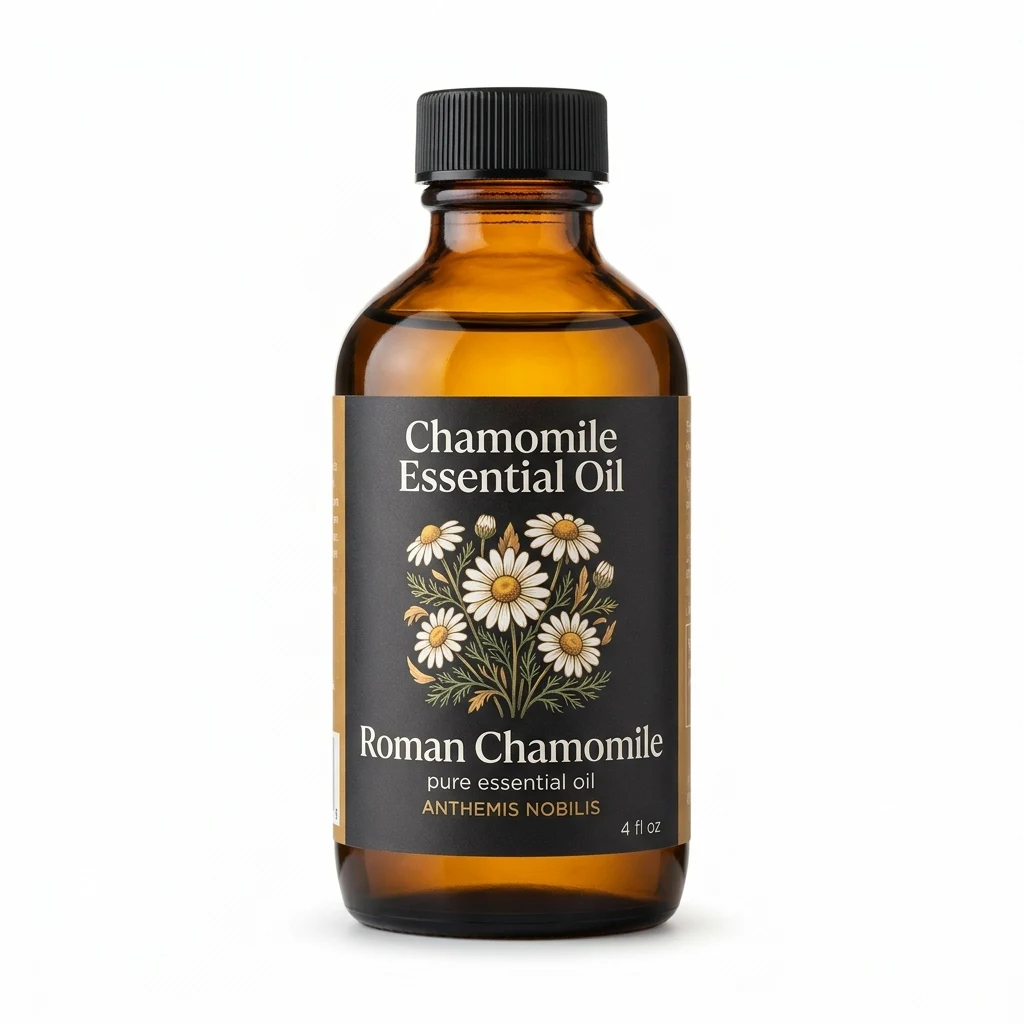
Roman Chamomile Essential Oil
Our own Roman Chamomile Essential Oil, in sizes from 0.5 oz to bulk.
From $32.99
Shop Now →This guide walks through the most important quality indicators, the key features worth comparing across products, and specific carrier oil picks at different price points. Whether your focus is a nourishing facial serum, a calming body oil, or a gentle scalp blend, the chamomile carrier oil pairing you choose shapes the final result more than most people expect.
What to Look for in a Carrier Oil for Chamomile
Cold-Pressed or Expeller-Pressed Extraction
Heat and chemical solvents degrade the fatty acids, antioxidants, and natural color that make carrier oils valuable in cosmetic formulas. Cold-pressed oils are extracted mechanically at controlled low temperatures, preserving the full nutrient profile of the source seed or nut. Look for "cold-pressed" or "expeller-pressed" on the label. If those words are absent, ask the supplier before purchasing.
Unrefined vs. Refined
Unrefined oils retain their natural color, scent, and full complement of plant compounds. Refined oils have been processed to remove color and odor, which can also strip beneficial constituents. For most cosmetic applications paired with chamomile, unrefined or lightly refined oils are preferable. The exception is when a completely neutral scent base is needed so that chamomile's delicate botanical character can stand out clearly.
Purity and Adulterant Checks
The best carrier oils are 100% single-origin, with no added synthetic fragrance, mineral oil, silicone, or filler oils. Some budget products cut expensive oils like rosehip with cheaper vegetable oils and do not disclose this clearly. Look for suppliers who publish batch-specific certificates of analysis (COAs) and gas chromatography data. For a deeper look at evaluating oil purity, the same principles covered in our guide on how to buy pure chamomile essential oil: quality checks translate directly to carrier oil sourcing.
Packaging
Light and air are the enemies of fragile plant oils. Carrier oils should be packaged in dark glass (amber or violet) or food-grade opaque containers. Plastic is acceptable for short-term storage, but dark glass is strongly preferred for quality preservation. Avoid any product sold in clear glass or transparent plastic, particularly if it has been sitting in a bright retail display.
Shelf Life and Vitamin E Addition
Some carrier oils, particularly rosehip and hemp seed, have short shelf lives of six to twelve months. A small, disclosed addition of natural vitamin E (tocopherol) at around 0.5% can extend shelf life without compromising the oil's cosmetic character. This is considered good practice. What is not acceptable is a supplier using vitamin E to mask an already-oxidized oil, which is why freshness dating and odor evaluation matter at purchase.
Key Features to Compare Across Carrier Oils
| Carrier Oil | Texture | Skin Feel | Shelf Life | Best For | Price Range |
|---|---|---|---|---|---|
| Jojoba | Liquid wax, very light | Non-greasy, absorbs quickly | Up to 2 years | Face, scalp, all skin types | Mid |
| Sweet Almond | Medium-light | Smooth, slightly emollient | 12 months | Body massage, dry skin | Low to mid |
| Rosehip Seed | Dry oil, thin | Fast-absorbing, non-comedogenic | 6 to 12 months | Facial serums, mature skin | Mid to high |
| Argan | Light to medium | Silky, absorbs well | Up to 2 years | Hair, face, nail care | High |
| Fractionated Coconut | Ultra-light liquid | Nearly weightless | 2 or more years | Body blends, roller bottles | Low |
| Hemp Seed | Medium-light | Slightly earthy, balancing | 6 to 9 months | Oily or combination skin | Low to mid |
| Marula | Light, dry | Velvety, fast-absorbing | Up to 2 years | Luxury facial blends | High |
Absorption rate is one of the most practical things to compare. Oils described as "dry oils" (rosehip, marula, squalane) sink into the skin quickly and leave little residue, which suits daytime facial use. Heavier oils like sweet almond work beautifully in an evening body ritual or a leave-on massage blend where a richer feel is welcome.
Top Picks at Different Price Points
Budget Pick: Fractionated Coconut Oil
Fractionated coconut oil is produced by removing the long-chain fatty acids from whole coconut oil, leaving a stable, ultra-light liquid that stays clear and pourable at any temperature. It has virtually no scent of its own, which means chamomile's gentle botanical character comes through undiluted. It is widely available from suppliers like Bulk Apothecary and Mountain Rose Herbs in sizes ranging from 4 ounces to gallon jugs. At under $15 for a 16-ounce bottle, it is one of the most accessible carriers for high-volume body blends or roller bottle formulas.
What it lacks is the richer fatty acid profile of seed oils. It is an excellent base but not the most nutritive choice for a concentrated facial serum.
Mid-Range Pick: Jojoba Oil
Jojoba is technically a liquid wax rather than a true oil, which gives it an unusually long shelf life and a finish that mimics the skin's own sebum without heaviness. It pairs exceptionally well with both Roman chamomile (soft, apple-like) and German chamomile (deeper, slightly herbaceous) because its neutral character does not compete with the essential oil's scent profile. Desert Essence, Now Solutions, and Leven Rose all produce reliable cold-pressed jojoba in the $12 to $25 range for 4 to 8 ounces. Look for golden or slightly golden color, which indicates an unrefined product.
Jojoba is one of the most versatile choices available. It works for facial serums, scalp oils, and body blends equally well. For a full overview of how it fits into dilution ratios for chamomile, our article on how to dilute chamomile essential oil with carrier oils covers the specifics in detail.
Mid-Range Pick: Sweet Almond Oil
Sweet almond oil has been used in cosmetic preparations for centuries. It is light enough for regular use but has enough body to create a satisfying, emollient feel in a massage or body oil blend. Unrefined sweet almond oil has a faint nutty warmth that complements Roman chamomile's softness particularly well. Sky Organics and Majestic Pure offer organic, cold-pressed versions in the $10 to $20 range. One note: sweet almond oil is derived from tree nuts, so it is not suitable for anyone with a tree nut sensitivity. Always patch test before use.
Premium Pick: Rosehip Seed Oil
Rosehip seed oil has earned its place as a staple in natural facial skin care. It is pressed from the seeds of Rosa canina hips, has a distinctly earthy, slightly green scent, and a naturally reddish-orange color from its beta-carotene content. Paired with German chamomile (which shares a deep, inky blue color from its azulene content), the visual result is a striking botanical serum. Pai Skincare, Trilogy, and Mountain Rose Herbs all produce high-quality rosehip seed oils in the $15 to $35 range for 1 to 4 ounces. Refrigerate after opening and use within six to nine months.
Because rosehip seed oil is more perishable than jojoba or argan, always smell your bottle before use. A sharp, paint-like odor signals oxidation. Discard and replace.
Premium Pick: Argan Oil
Argan oil comes from the kernels of the Argania spinosa tree native to Morocco and is one of the most widely recognized luxury cosmetic oils available. Its naturally high tocopherol content gives it good stability. It has a mild, faintly nutty scent that pairs gracefully with both Roman and German chamomile. Acure, Josie Maran (for retail), and Leven Rose (for cosmetic use) offer reputable options ranging from $15 to $40 per ounce. Argan works particularly well in hair and scalp blends with chamomile. See our full cosmetic care overview at chamomile oil for skin and hair: the complete cosmetic care guide for pairing ideas.
Luxury Pick: Marula Oil
Marula oil is pressed from the kernels of the Sclerocarya birrea tree found in sub-Saharan Africa. It has a very high oleic acid content (around 70 to 78%), a genuinely dry, fast-absorbing feel, and a shelf life of up to two years. It is one of the most refined-feeling carriers available and pairs beautifully with Roman chamomile in a daytime facial oil. Expect to pay $25 to $60 per ounce for authentic, ethically sourced marula. Brands like Africare and Drunk Elephant source traceable product with community benefit claims, which is worth examining if ethical sourcing matters to your purchasing decision.
Red Flags to Avoid
- No extraction method listed. If a label or product page does not specify cold-pressed or expeller-pressed, the oil may have been solvent-extracted. Move on.
- Suspiciously low prices for expensive oils. Genuine rosehip seed oil, argan, and marula cost money to produce. A 4-ounce bottle of "100% pure argan oil" for $4 is almost certainly diluted with something cheaper.
- No batch number or lot code. Legitimate suppliers can trace every bottle to its harvest and press date. A missing lot number suggests poor quality control.
- Clear glass or clear plastic packaging. Light degrades carrier oils quickly. This is a basic quality failure.
- Artificial fragrance added. Any carrier oil with "fragrance" or "parfum" in its ingredient list has been adulterated. This is not acceptable for a cosmetic blend where you control the scent profile.
- No return or freshness policy. Reputable suppliers stand behind their products. If a company does not offer returns on out-of-spec or rancid oil, that tells you something about their confidence in their quality.
Where to Buy
Dedicated Natural and Aromatherapy Suppliers
Mountain Rose Herbs (Oregon) and Bulk Apothecary (Ohio) are two of the most consistently recommended sources among natural formulators in the United States. Both publish detailed sourcing information, offer COAs on request, and sell in sizes ranging from small personal bottles to wholesale quantities. Their jojoba, sweet almond, and rosehip seed oils are particular strengths.
Health and Natural Retail Stores
National chains like Whole Foods Market and Natural Grocers carry a curated selection of cold-pressed carrier oils from brands including Desert Essence, Aura Cacia, and Now Solutions. Buying in-store lets you examine the packaging, check the expiry date, and assess storage conditions before committing.
Direct-from-Brand Online
For premium options like marula or high-grade argan, buying directly from the brand's website often provides better freshness assurance than a third-party marketplace listing, where old stock may sit in uncontrolled warehouse conditions. Check for a "pressed on" or "best by" date before completing any online purchase.
A Note on Marketplace Caution
Large online marketplaces can be convenient but carry real risks for carrier oil purchases. Third-party sellers on marketplace platforms sometimes sell oils that are old, improperly stored, or mislabeled. If you do purchase through a marketplace, buy only from sellers with high ratings, verified reviews, and a clear returns policy. Prioritize "fulfilled by" and shipped-from details over lowest price.
Building Your Chamomile Carrier Oil Pairing
There is no single best carrier oil for chamomile across every use case. The right choice depends on where you are applying the blend, the skin type you are formulating for, and the finish you want. A quick-absorbing daytime facial oil calls for jojoba or rosehip seed. A rich evening body ritual suits sweet almond. A luxury hair and scalp blend invites argan. A high-volume, affordable roller bottle blend works perfectly with fractionated coconut.
Start with one or two well-sourced options, observe how they perform in your specific formulas, and expand your collection from there. Quality sourcing and proper storage matter more than brand prestige. A small bottle of genuinely fresh, cold-pressed rosehip seed oil will always outperform a large bottle of something old and oxidized, regardless of what the label claims.
Always patch test any new carrier oil before incorporating it into a full blend. Apply a small amount to the inner forearm, wait 24 hours, and observe the skin's response before proceeding. Consult a qualified healthcare provider if you have any skin sensitivities or concerns before beginning a new topical routine.